If you’ve ever stared at freshly painted furniture or walls wondering, how long does spray paint take to dry, you’re not alone. Paint can transform a space in hours, but waiting for it to dry can feel like forever, especially when you’re eager to move furniture back into place or admire a new finish without smudging it.
In Fort Collins, CO, where weather shifts between sunny afternoons and chilly nights, the dry time can change more than you’d think. Factors like paint type, the material you’re painting, and even your home’s airflow all play a role.
Let’s break this down in a way that’s clear, detailed, and practical so you know exactly what to expect.
Key Takeaways:
- Dry time depends on paint type: acrylic about 30 minutes, oil-based 6 to 8 hours, latex up to 8 hours.
- Surface matters: metal feels dry in about 10 minutes, wood often needs 1 to 2 hours to touch and 24 hours to cure.
- Thin, even coats with proper primer help paint set faster and reduce drip marks on walls, cabinetry, and furniture.
- Climate counts in Fort Collins, CO: target 40 to 50 percent humidity with good airflow for consistent results.
- Wait 2 to 3 hours between coats and plan on about 24 hours before moving items back or closing contact on high-touch areas.
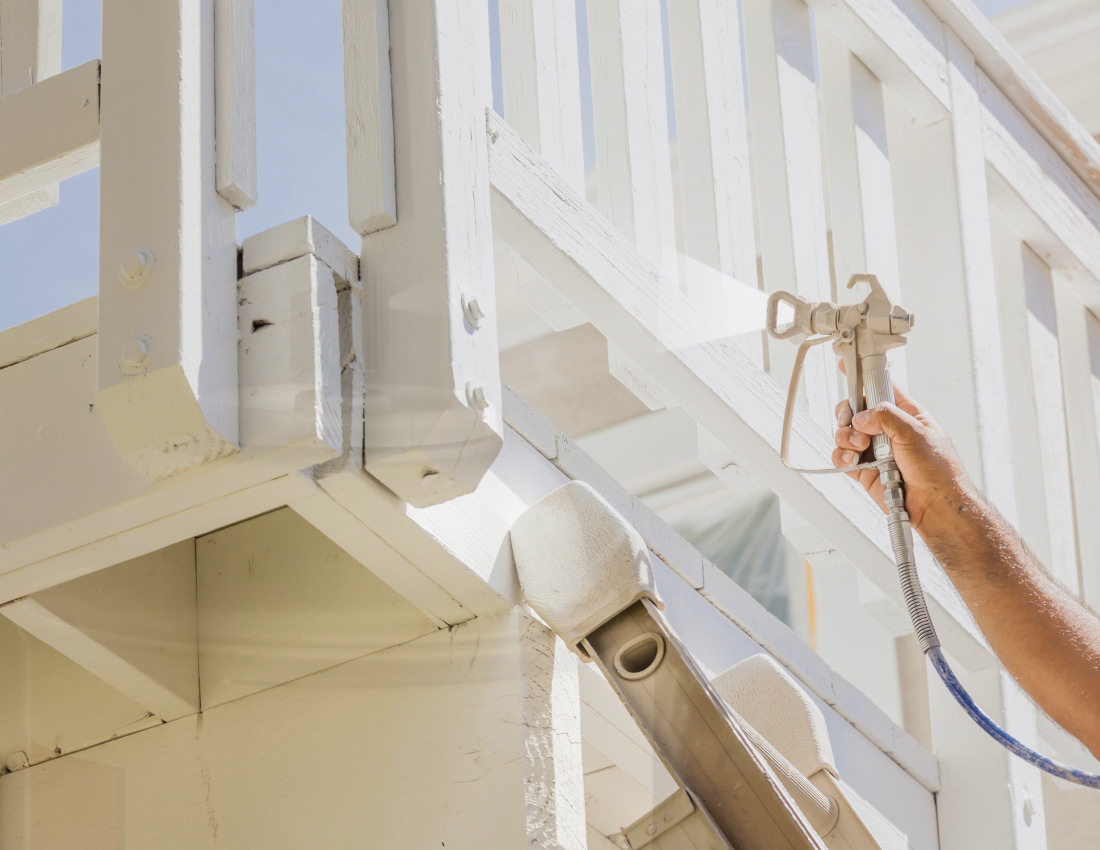
What Spray Paint Is and How It Works
Spray paint is a mix of color pigment, solvents, and binders packed into a pressurized can. When you press the nozzle, the paint mixes with compressed gas and sprays in a fine mist. This makes it possible to cover walls, cabinetry, furniture, ceilings, and even small art projects with consistent coats.
Unlike brushing or rolling, spray painting lays down thin layers that dry faster. Still, “faster” is relative. Drying isn’t just about the surface looking okay—it’s about whether the paint has hardened enough to handle touch, movement, or additional coats.
Different Paint Types and Their Dry Times
Not all paints act the same. The chemistry matters. Here’s what you can expect when asking how long does spray paint take to dry based on type:
- Acrylic paint. Dries to the touch in about 30 minutes. Often used in art projects or areas where fast results matter.
- Latex spray paint. Can take up to 8 hours because water needs more time to evaporate.
- Oil-based spray paint. Typically 6 to 8 hours. Oil needs to cure slowly, which adds durability but takes patience.
- Epoxy spray paint. Around 1 hour, though full curing may stretch to a day.
- General-purpose fast-dry spray paint. As little as 5 minutes under ideal conditions.
If you’ve ever compared sheen levels like sheen finish, you know even gloss vs flat can influence how quickly paint sets. Gloss tends to dry slower because of its denser resins.
Materials Matter: Wood, Metal, and More
Spray paint drying isn’t just about what’s in the can. The surface makes a huge difference:
- Wood: Since wood is porous, it absorbs some of the paint. Expect 1–2 hours to touch dry and a full day before it’s safe to handle. Sanding with sandpaper beforehand helps smooth the grain and reduce extra absorption.
- Metal: Non-porous, so it dries faster—often within 10 minutes to touch, 24 hours for full hardness.
- Plastic: Trickiest surface because it resists adhesion. Around 30 minutes for touch dry but can stay soft underneath.
- Drywall and ceilings: Usually sit in the middle. Drywall’s porous nature pulls in paint, while a smooth ceiling may take less time but can be slowed by poor airflow.
It’s the same principle used in woodworking—smooth vs rough textures completely change how coatings set.
How Texture and Thickness Affect Dry Time
Surface texture matters. Rougher or more porous surfaces slow things down because paint seeps into tiny crevices. For example, painting a popcorn ceiling takes longer than a flat drywall ceiling.
Application also plays a role. A light mist coat dries quickly, while thick, heavy coats trap moisture and take hours to harden. That’s why many expert painters recommend thin, even layers whether you’re working on walls, cabinetry, or kitchen cabinet doors. Thick coats may also lead to dripping, which not only looks uneven but delays drying.
Climate Conditions in Fort Collins, CO
Local climate is one of the biggest variables when asking how long does spray paint take to dry. Fort Collins has dry, sunny days, but evenings can get cooler fast. Here’s how climate factors in:
- Warm, dry air. Speeds up evaporation.
- High humidity. Slows everything down. Think about how long it takes towels to dry in muggy weather. Same idea with paint.
- Cold conditions. Anything below 50°F can cause paint to feel tacky for hours and may even ruin adhesion.
- Airflow. A room with open windows or circulating fans encourages faster dry times.
A balance of 40–50% humidity is often best, whether you’re spraying walls, furniture, or even bathroom trim.
Recoating: When It’s Safe to Go Again
Adding another coat too soon is one of the most common painting mistakes to avoid. While it may look dry on the surface, layers underneath could still be soft. Applying fresh paint on top can lead to wrinkling or peeling.
General rule of thumb: wait at least 2–3 hours between coats, longer if you’re using latex or oil-based spray paint. If you’re painting bedroom walls, baseboards, or trim, patience pays off in a smoother finish.
How Light and Shadows Play Tricks
Lighting affects perception. A surface might look dry under one angle of light but show tackiness under another. Shadows can also highlight uneven spots that still need time to cure. This is especially noticeable in interior design projects with layered light sources, such as painting near windows, under cabinets, or across textured walls.
Tips for Faster Dry Times
Nobody enjoys waiting around for paint to set. Here are factors that make a difference:
- Stick with thin layers.
- Choose a smooth, nonporous surface if possible.
- Improve airflow with fans.
- Use a dehumidifier indoors during wet seasons.
- Check sheen level—the higher the gloss, the longer it may need.
- Consider primer on raw drywall or wood to cut absorption.
These adjustments can shave hours off drying, whether you’re spraying furniture, cabinetry, or even working with art projects involving oil paint or acrylic paint.
Final Thoughts on Spray Paint Dry Times
Knowing how long does spray paint take to dry isn’t just about patience—it’s about protecting the work you’ve put in and getting a finish that lasts. Paint type, surface, texture, and Fort Collins climate all play a role. Rushing leads to flaws, while planning the right timeline gives you the clean, professional results you want.
At Foothills Painting, our expert painters in Fort Collins, CO bring years of hands-on experience, from kitchen cabinets to full home improvement projects. We account for details like primer, paint sheen, surface texture, and local climate to deliver results you don’t have to worry about.
Here’s how our process works:
- Careful prep, including sanding wood and drywall where needed
- Proper primer application for stronger adhesion
- Even spray technique with high-quality paintbrush and spray systems
- Attention to climate, airflow, and curing time
- Walk-through to confirm flawless results
Whether you’re planning a renovation in Severance, Firestone, Parker, CO, or anywhere nearby, our team can help. Call Foothills Painting today at 970-427-2866 for a FREE estimate and get lasting results you’ll appreciate every time you walk into the room.
Frequently Asked Questions
How long does spray paint take to dry on wood in Fort Collins, CO?
Usually 1–2 hours to touch, 24 hours for a safe cure.
Can I move furniture back once it feels dry?
Not immediately. Even if it feels dry, the finish may still dent or scuff. Wait at least 24 hours.
Does sheen matter?
Yes. Higher sheen levels hold more resins and can extend drying time.
What if I need to match colors later?
Use color-matching tools or learn about how to match paint colors for accuracy across walls, trim, or wood accents.
What if I used exterior paint indoors?
That comes with risks. We’ve explained more in our post about can I use exterior paint inside.